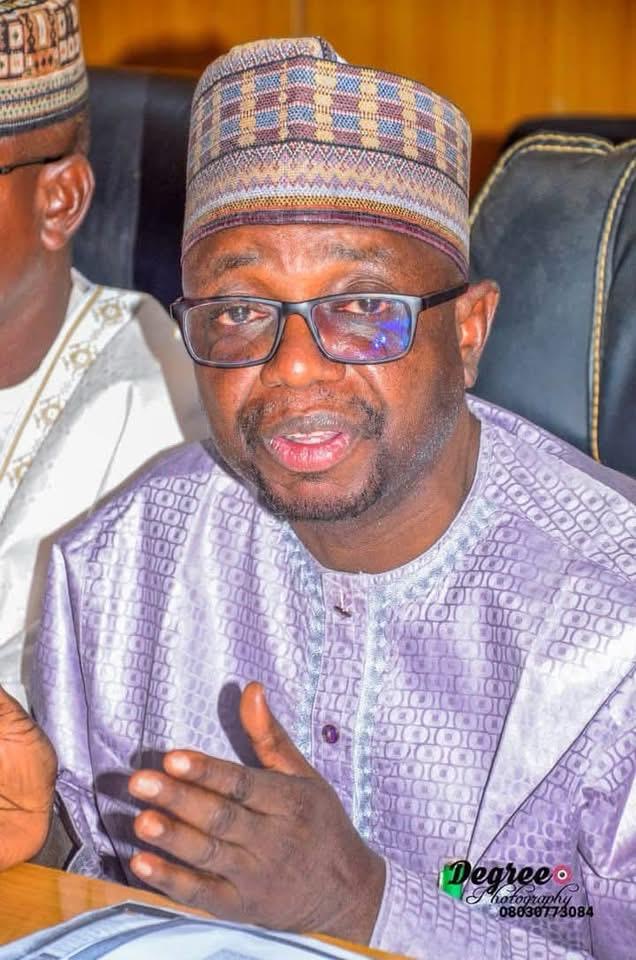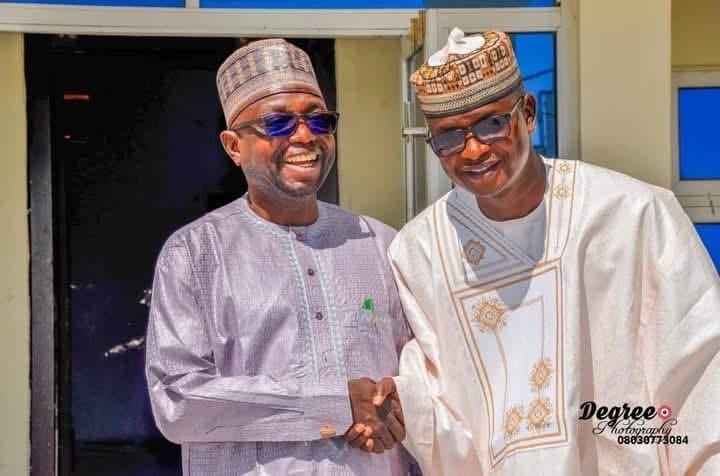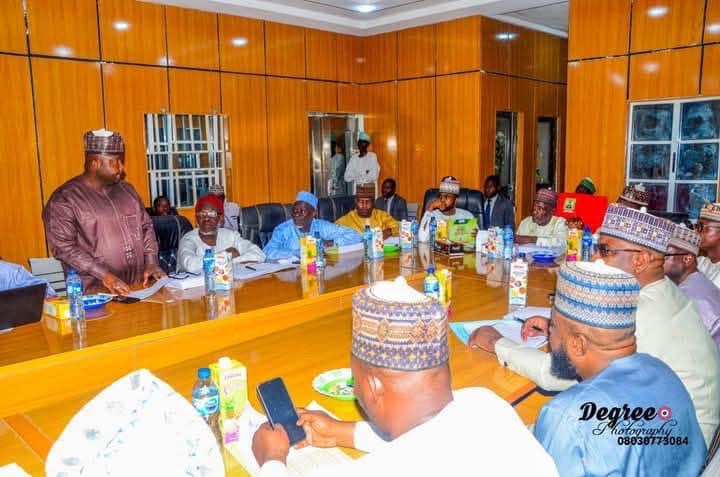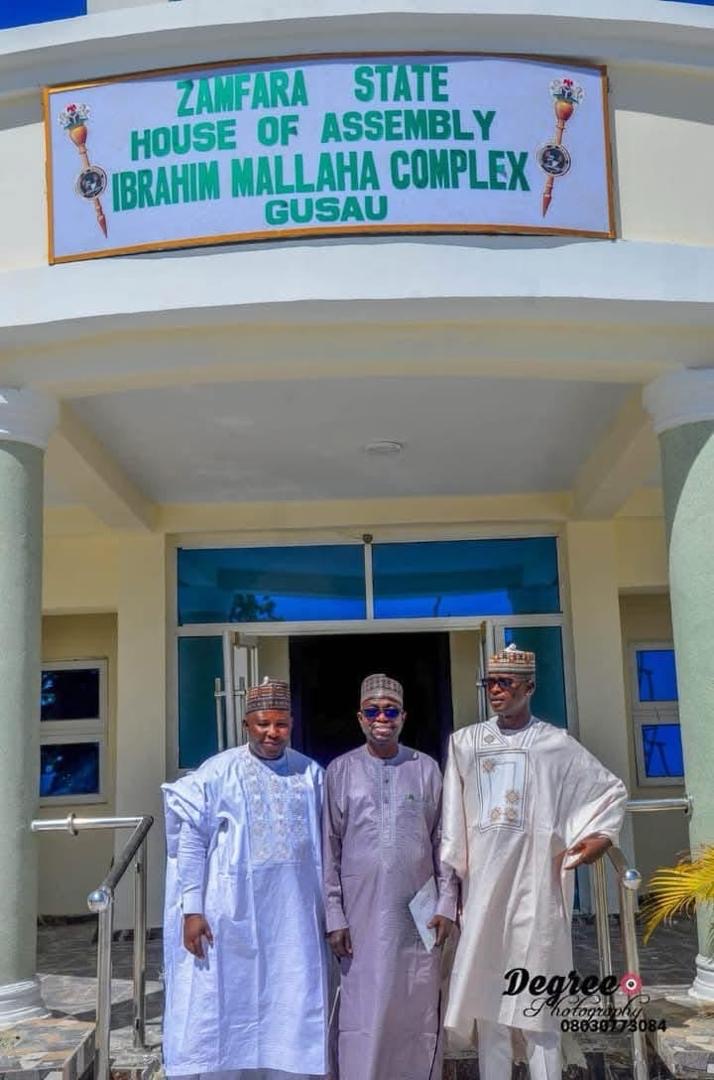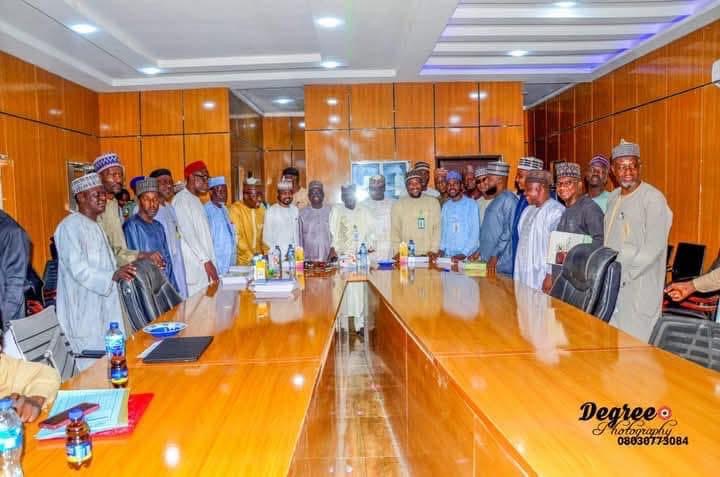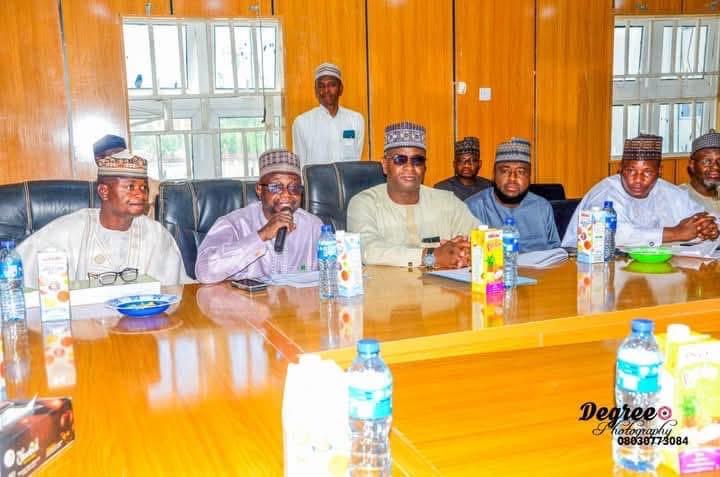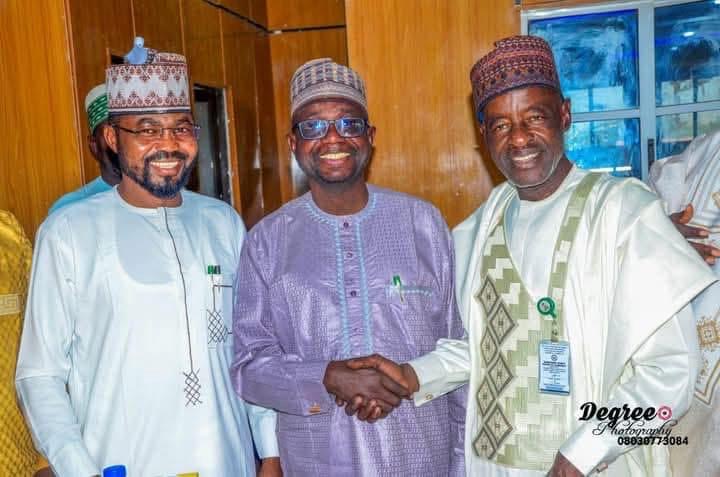
The Zamfara State Ministry of Local Government, Community and Chieftaincy Affairs serves as a bridge between the government and grassroots communities. Our efforts are focused on empowering local leaders, promoting participatory governance and preserving cultural heritage.
The Ministry of Local Government and Chieftaincy Affairs oversees the activities of the fourteen Local Government Councils in the State, ensuring their effective functioning. It ensures that Government Policies, programs, and Projects are implemented at the Local Government Levels. We are the regulatory body overseeing the governance, development, and cultural heritage preservation within Zamfara State’s local government areas and communities. Committed to fostering sustainable growth and preserving traditional values, we strive to enhance the quality of life for all residents.
Objectives
- Strengthen Local Governance: Enhance the capacity and efficiency of local government councils in service delivery and community development.
- Promote Traditional Institutions: Support and empower traditional leaders to play a pivotal role in maintaining peace, cultural heritage, and community cohesion.
- Facilitate Community Participation: Encourage active citizen participation in governance processes and decision-making at the local level.
- Implement Development Programs: Design and implement programs that address the specific needs of local communities, focusing on health, education, and infrastructure.
- Ensure Accountability and Transparency: Establish mechanisms for accountability in local governance and promote transparency in the management of resources.
Responsibilities
– Policy Formulation: Develop policies that guide local governance and the operations of traditional institutions.
– Capacity Building: Organise training and workshops for local government officials and traditional leaders to enhance their skills and knowledge.
– Community Engagement: Facilitate forums and town hall meetings to gather input from citizens and ensure their voices are heard in governance.
– Monitoring and Evaluation: Oversee the implementation of local government projects and programs, ensuring they meet established goals and standards.
– Conflict Resolution: Mediate and resolve conflicts within communities, fostering peace and unity among diverse groups.
Expectations
– Effective Service Delivery: Local governments should deliver essential services efficiently and responsively to the needs of their communities.
– Active Participation: Citizens are expected to engage in local governance processes, providing feedback and participating in decision-making.
– Collaboration: Local governments and traditional institutions should work collaboratively to address community challenges and promote development.
– Transparency in Governance: All stakeholders are expected to uphold principles of transparency and accountability in their operations and interactions.